

The Regenerative Potential of BPC-157: Insights from Recent Research and Findings
- biobondlabs
- Oct 18, 2025
- 3 min read
Updated: Nov 13, 2025
BPC-157, or Body Protection Compound-157, stands out as a remarkable synthetic peptide in biomedical research. Derived from a natural gastric protein, this 15-amino-acid peptide has captured the attention of researchers for its potential healing abilities. From tissue repair to inflammation control, BPC-157 shows promise in various applications. This article explores the latest studies on BPC-157, its mechanisms of action, and future implications.

What is BPC-157?
BPC-157 is a synthetic peptide consisting of 15 amino acids, derived from a protein in human gastric juice. It has a molecular formula of C₆₇H₁₀₂N₁₆O₂₂, weighing approximately 1419 Daltons. Typically found as a lyophilized powder, its purity often exceeds 99%.
Research indicates that BPC-157 plays a significant role in biological processes related to healing and regeneration. Its applications are extensive, including wound healing and studies on angiogenesis and inflammation modulation. For example, experiments have shown that BPC-157 can increase collagen production by up to 30%, crucial in tissue repair.
Current Regenerative Research on BPC-157
Tissue Repair
Recent studies reveal that BPC-157 can greatly enhance tissue repair. Sikiric et al. (2018) demonstrated that BPC-157 promotes fibroblast migration, fundamental for wound healing. This peptide accelerates the healing process by stimulating the proliferation and movement of fibroblasts to the injury site, resulting in quicker tissue regeneration.
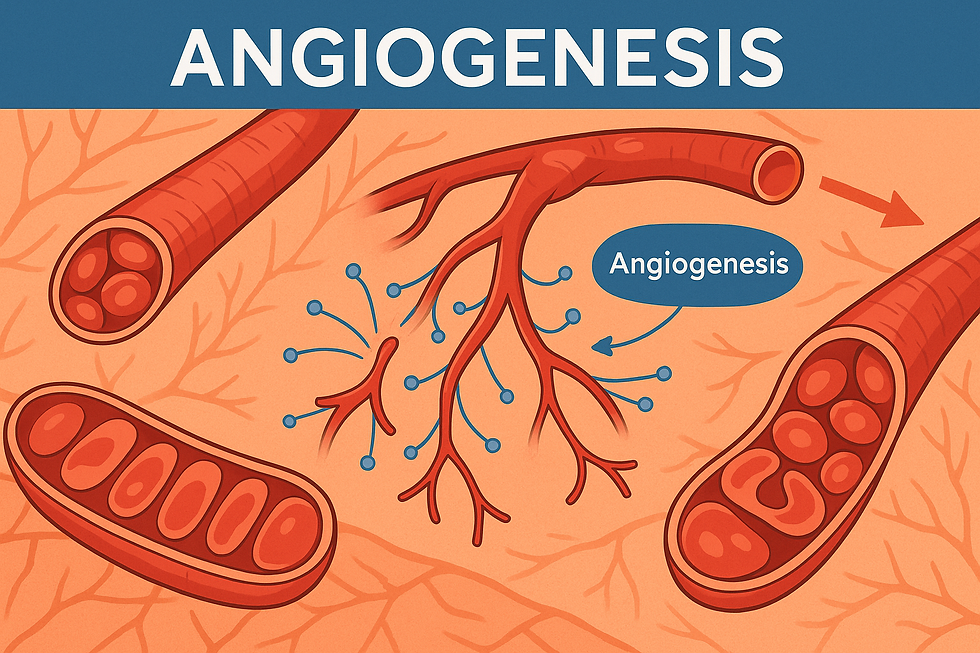
Furthermore, BPC-157 enhances the expression of crucial growth factors, particularly vascular endothelial growth factor (VEGF), vital for angiogenesis—the formation of new blood vessels. In practical terms, a study found that BPC-157 increased VEGF levels by more than 40%, strongly indicating its role in tissue recovery.
Angiogenesis
BPC-157 has emerged as a key player in promoting angiogenesis. Research led by Kang et al. (2020) highlighted that it stimulates new blood vessel formation and supports endothelial cell survival. This is particularly important for conditions like ischemic injuries, where blood flow is limited.
By influencing nitric oxide pathways, BPC-157 improves vascular functions. Nitric oxide is essential for blood vessel health, and studies have shown that BPC-157 increases its availability by up to 50%, promoting better blood vessel formation and enhancing tissue perfusion.
Inflammation Control
Excessive inflammation can impede recovery. BPC-157 demonstrates anti-inflammatory effects that may benefit various health issues. Research suggests it can modulate inflammatory responses by altering cytokine production and lowering oxidative stress.
The potential application of BPC-157 in treating autoimmune diseases is especially noteworthy. Early studies indicate that it may alleviate symptoms by regulating immune responses. A study showed that subjects treated with BPC-157 experienced a 25% reduction in inflammatory markers. However, more research is necessary to confirm its efficacy in human trials.

Ongoing and Past Studies
Numerous studies have examined BPC-157's potential in various contexts, including autoimmune disorders. However, it is crucial to note that most research has been conducted in animal models or laboratory settings. For example, investigations are ongoing into BPC-157's effects on rheumatoid arthritis and inflammatory bowel disease. Early results suggest a reduction in symptoms by promoting tissue repair and modulating immune functions.
Future research should focus on robust clinical trials to assess the safety and effectiveness of BPC-157 in humans. Understanding its applications in medical conditions involving tissue damage and inflammation is essential for determining its therapeutic potential.
Final Thoughts
In conclusion, BPC-157 is a synthetic peptide with promising regenerative capabilities, as shown by research into its effects on tissue repair, angiogenesis, and inflammation control. While the findings are encouraging, it is important to remember that studies are primarily preclinical and have not yet been validated in human trials.
All BioBond Labs products, including BPC-157, are intended for laboratory and in vitro research only and are not approved for human or veterinary consumption. As research on BPC-157 continues, further studies will help unlock its full potential in regenerative medicine.
References
Sikiric, P. et al. (2018). The Stable Gastric Pentadecapeptide BPC 157 and Its Role in Tissue Healing. Journal of Physiology (Pharmacol).
Kang, E. et al. (2020). BPC-157 Promotes Angiogenesis and Tissue Regeneration in Experimental Models. Peptides.
NCBI Database – PubChem CID 9941958 – BPC-157 Molecular Data.


Comments